Community museums play an essential role in preserving local history, culture, and identity. While national institutions often receive widespread recognition, smaller regional museums quietly shape the cultural fabric of their communities.
Preserving Local Heritage
One of the primary functions of a community museum is the preservation of local heritage. These institutions collect artifacts, artworks, and historical materials that reflect the stories of a specific region. By safeguarding these materials, community museums ensure that future generations can understand their cultural roots.
Unlike large national museums that focus on broad historical narratives, community museums emphasize the everyday lives, traditions, and artistic expressions of local residents.
Strengthening Community Identity
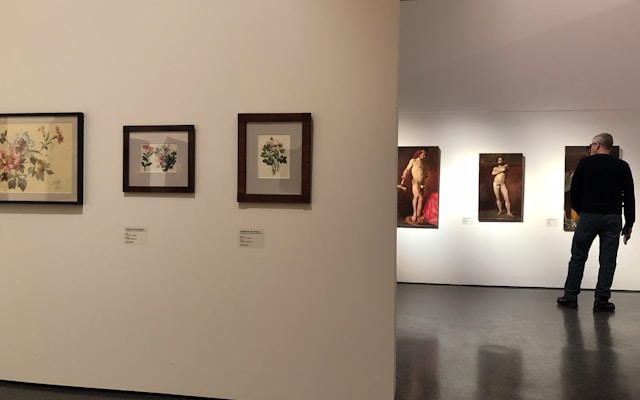
Community museums provide a shared space where people can connect with their history. Exhibitions often highlight local artists, historical milestones, and regional achievements. This fosters a sense of pride and belonging among residents.
In smaller cities, cultural institutions often serve as gathering places. Events, lectures, and seasonal exhibitions bring together individuals from diverse backgrounds, strengthening social bonds within the community.
Supporting Education
Many community museums collaborate with local schools and educational programs. Students benefit from hands-on learning experiences that extend beyond the classroom. Art workshops, guided tours, and interactive exhibitions help young visitors develop curiosity and critical thinking skills.
Through educational outreach, museums encourage lifelong engagement with art and history.
Encouraging Local Creativity
Community museums also provide platforms for emerging artists. By offering exhibition space to local creators, these institutions nurture artistic talent and contribute to the cultural growth of the region.
This support system allows smaller art communities to thrive without relying solely on major metropolitan centers.
Conclusion
Community museums may not always receive national attention, but their impact is deeply felt at the local level. By preserving heritage, strengthening identity, supporting education, and encouraging creativity, these institutions serve as vital cultural anchors within their communities.
